How to Use Visual Books to Spark Joy, Memory, and Connection
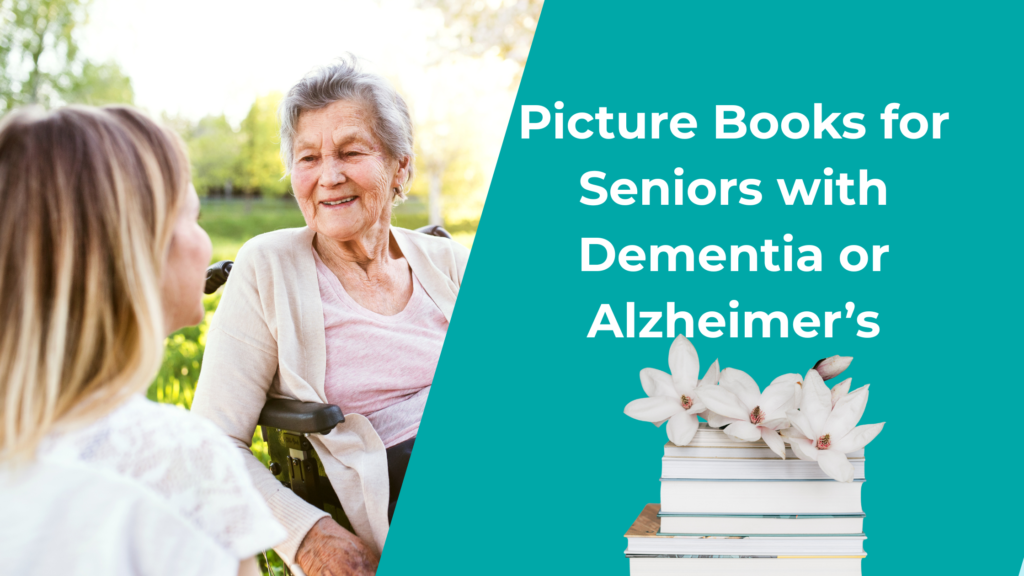
If you’re caring for someone with dementia or Alzheimer’s, you know that words can sometimes fail—but pictures rarely do. The right picture book can unlock memories, spark conversations, reduce anxiety, and create moments of genuine connection that medications and therapies alone cannot provide.
This guide will help you choose and use picture books effectively in dementia care. Whether you’re a family caregiver, professional care provider, or simply looking for meaningful ways to engage with a loved one, you’ll find practical recommendations backed by real experience.
Important note: This guide contains affiliate links to books on Amazon. If you purchase through these links, I may earn a small commission at no extra cost to you. I only recommend books I genuinely believe can help based on their design, content, and feedback from caregivers.
Why Picture Books Work for Dementia Care
Dementia affects language processing and short-term memory, but visual recognition often remains intact much longer. Picture books for seniors with dementia leverage this strength by:
- Bypassing the need for complex language comprehension
- Triggering long-term memories through familiar images
- Providing sensory stimulation without overwhelming
- Creating shared experiences that reduce isolation
- Offering a calming, anxiety-reducing activity
What to Look for in a Dementia-Friendly Picture Book
Not all picture books are created equal for dementia or alzheimer’s care. The most effective picture books for seniors share these characteristics:
Visual Design
- Large, clear images: Pictures should fill the page without clutter
- High contrast: Sharp, well-defined images work better than soft or muted ones
- Realistic photography: Most people with dementia respond better to photos than illustrations
- Minimal text: If there’s text, it should be large (18pt+), simple, and in a clear font
Content Themes
- Familiar subjects: Animals, nature, vintage objects, family scenes
- Nostalgic imagery: Pictures from the 1940s-1970s often trigger the strongest memories
- Emotionally positive: Uplifting scenes that promote calm and joy
- Non-threatening: Avoid chaotic, busy, or potentially distressing images
How to Use Picture Books for Seniors with Dementia or Alzheimer’s
The way you share picture books for seniors matters as much as the books themselves. Here are proven techniques:
Creating the Right Environment
- Choose a quiet time when your loved one is alert and calm
- Minimize distractions (turn off TV, reduce background noise)
- Sit side by side rather than across, so you can both see the book easily
- Ensure good lighting—natural light is best
Engagement Techniques
- Let them turn the pages and set the pace
- Ask simple, open-ended questions: “What do you see?” “Do you remember…?”
- Don’t quiz or test—follow their lead and validate whatever they share
- Allow silence; just sitting together looking at pictures has value
- Share your own memories triggered by the images
- It’s okay to look at the same book repeatedly—repetition provides comfort
15 Picture Books for Seniors That Work: Detailed Recommendations
Each book below has been evaluated based on image quality, content appropriateness, ease of use, and feedback from others. All Amazon links are affiliate links.
1. “Remember When” Activity Book Series for Seniors with Dementia
Best for: Reminiscence therapy, sparking conversation about the past
Why it works: Features large, high-quality photographs of everyday objects, scenes, and cultural touchstones from the 1940s-1970s. The familiar imagery—vintage cars, old kitchen appliances, classic advertisements—often unlocks memories and stories. Minimal text means you can adapt conversations to the person’s ability level.
Key features: Large format (8.5″ x 11″), sturdy paper, clear black and white and color photos, organized by themes
Caregiver tip: Don’t worry if the memories shared aren’t perfectly accurate. The goal is engagement and emotional connection, not historical precision.
Examples of books in this category: Include the following


2. “A Walk in Nature” Photo Book for Seniors
Best for: Calming anxiety, bedtime routine, nature lovers
Why it works: Nature scenes have a proven calming effect on people with dementia. This book features full-page photographs of forests, flowers, streams, and wildlife—each image serene and uncluttered. The repetitive, peaceful imagery can help reduce agitation and sundowning behaviors.
Key features: Extra-large format, glossy pages that are easy to wipe clean, no text to distract from the images
Caregiver tip: Use this book during difficult transitions, like evening or before medical appointments. The predictable, calming content provides a reliable anchor.
Examples of books in this category: Include the following



3. “Dogs Picture Books and Cats Picture Books”
Best for: Animal lovers, evoking smiles and emotional warmth
Why it works: The unconditional appeal of baby animals transcends cognitive ability. These images consistently generate positive emotional responses—smiling, laughing, reaching out to touch the page. The book can be particularly effective for people who had pets or grew up around animals.
Key features: Hardcover for durability, very simple captions (“Playing,” “Sleeping,” “Friends”), high-quality color photography
Caregiver tip: This is an excellent choice for times when your loved one seems withdrawn. The images are engaging without requiring any cognitive work.
Examples of books in this category: Include the following
![Picture Book of Puppies: Picture Book of Puppies: For Seniors with Dementia [Cute Picture Books] (Picture Books of Animals for People with Dimentia)](https://m.media-amazon.com/images/I/41fwPmQkgYL.jpg)




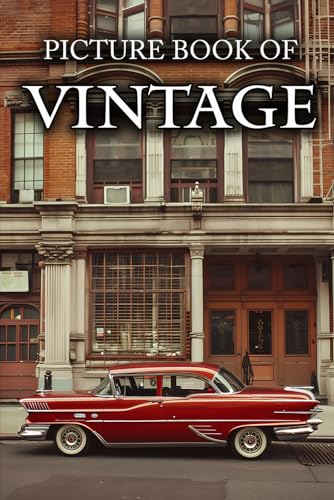
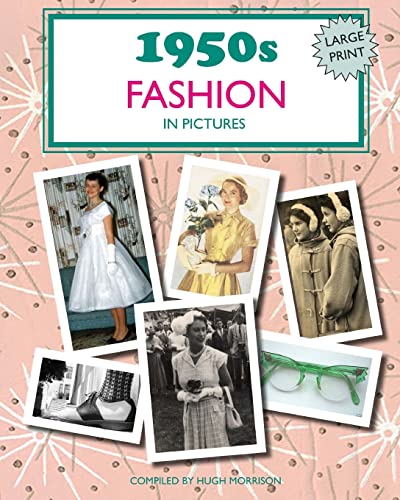
4. “Vintage Cars and Motorcycles” Picture Collection
Best for: Men with dementia (though not exclusively), car enthusiasts, and engaging those who seem uninterested in other books
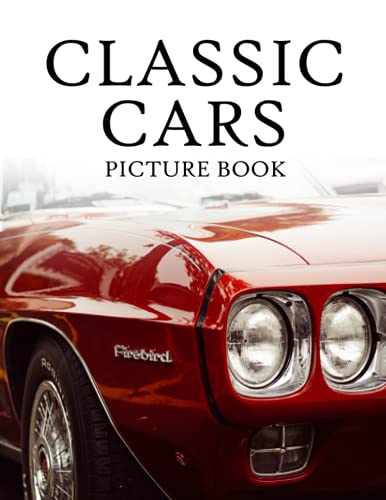
Why it works: Classic cars from the 1950s-1970s are powerfully nostalgic for many older adults. The mechanical details, chrome, and design often spark animated conversations about first cars, road trips, or working on engines. This book appeals to people who might dismiss “regular” picture books as childish.
Key features: Full-page color photos, includes car makes/models in large print, organized by decade
Caregiver tip: Even if your loved one can’t name the cars correctly anymore, they often remember feelings and stories associated with them. Follow the emotional thread, not the factual accuracy.
Examples of books in this category: Include the following

5. “Garden Flowers Picture Books” for Seniors
Best for: Former gardeners, women (statistically), springtime use, sensory engagement
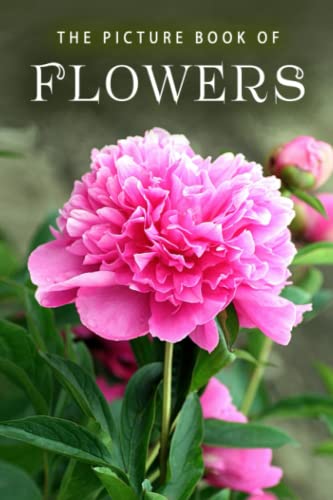
Why it works: The vibrant colors and familiar shapes of common garden flowers provide strong visual stimulation. For those who once tended gardens, this book can prompt stories about roses they grew, favorite flowers, or childhood memories of family gardens. The variety keeps interest high—each page offers something new to notice.
Key features: Close-up photography showing flower details, simple flower names in large print, organized by color
Caregiver tip: Consider pairing this book with real flowers or flower-scented lotions for a multi-sensory experience.
Examples of books in this category: Include the following



6. “Majestic Horses Picture Books” Photography Collection
Best for: Horse lovers, ranch/farm backgrounds, people who rode or worked with horses, engaging those who resist other picture books
Why it works: Horses hold powerful emotional significance for many older adults—from farm work, riding experiences, or cultural touchstones like western movies. The combination of beauty, grace, and strength creates deep engagement. Images of horses running free represent freedom and vitality, while close-ups of gentle eyes and mares with foals evoke tenderness. For people who worked with horses or grew up around them, these photos unlock detailed memories about specific horses, daily routines, or riding adventures. Even those without direct horse experience often connect through cultural memories of Roy Rogers, rodeos, or Bonanza.
Key features: Large format with full-page color photography, variety of breeds and settings (horses in pastures, running free, mare and foal), close-up portraits showing expressive faces, minimal text, durable hardcover with glossy pages
Caregiver tip: Notice which images create the strongest response—some connect with horses running free, others with gentle close-ups. Don’t be surprised if your loved one wants to touch the horses on the page or makes clicking sounds as if calling to them. This book can be particularly effective for men with dementia who might dismiss other picture books. Consider pairing with horse sounds (neighing, galloping) or videos of horses for multi-sensory engagement.
Examples of books in this category: Include the following



7. “Babies Picture Books and Children’s Memory Books”
Best for: Triggering parental memories, evoking tenderness, conversation about family
Why it works: Images of babies and young children often reach deep emotional centers that remain intact even in advanced dementia. Parents may not remember recent events but can recall feelings and experiences from raising their own children. The universal appeal of baby faces creates immediate emotional engagement.
Key features: Black and white and color photos spanning several decades, showing children at play, babies learning, family moments
Caregiver tip: Be prepared for emotional responses—this book can bring both joy and tears. Both are valid and valuable.
Examples of books in this category: Include the following
![Picture Book of Happy Babies: For Seniors with Dementia (Large Text) [Best Gifts for People with Dementia]](https://m.media-amazon.com/images/I/41fsKRkuObL.jpg)


8. “Farm Life” Vintage Photo Collection
Best for: Those with rural backgrounds, farm animals, simpler imagery
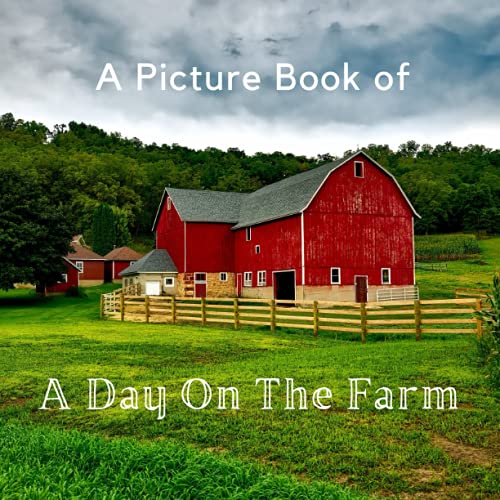
Why it works: For people who grew up on farms or in rural areas, these images can be powerfully evocative—chickens, cows, old tractors, barn scenes. Even those without farm backgrounds often respond to the peaceful, pastoral quality of the photographs. The animals are familiar but not as common in modern life, making them novel enough to hold attention.
Key features: Mix of vintage and modern farm photography, large images, minimal text
Caregiver tip: This book works well for people who find city or modern imagery overwhelming or confusing.
Examples of books in this category: Include the following


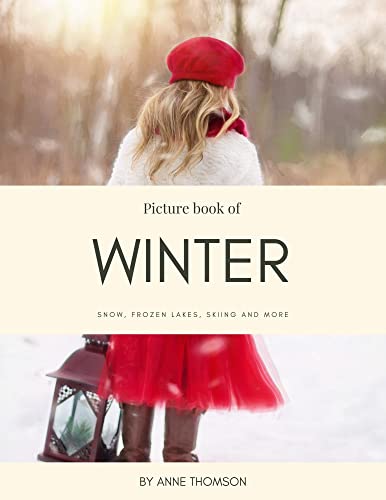
9. “Seasons and Weather” Visual Journey
Best for: Understanding time/seasons, conversation starters, year-round relevance
Why it works: The changing seasons are a fundamental part of human experience. This book uses striking images of spring blossoms, summer beaches, autumn leaves, and winter snow to provide visual cues about time passing and current conditions. It can help orient someone who’s confused about what season it is, and the dramatic differences between images maintain interest.
Key features: Organized by season, large dramatic landscapes, weather phenomena clearly depicted
Caregiver tip: Use this seasonally—look at winter pages in winter, spring pages in spring—to reinforce connection to the present.
Examples of books in this category: Include the following


10. “The Good Old Days” Americana Collection Picture Books
Best for: American nostalgia, mid-century memories, cultural touchstones
Why it works: Filled with iconic American imagery from the 1940s-1960s—diners, drive-in movies, Main Street shops, classic toys, old advertisements. These cultural markers often trigger not just individual memories but shared generational experiences. The book provides context for conversations about “how things used to be.”
Key features: Color photographs and period advertisements, thematic organization, includes some historical context in large print
Caregiver tip: Wonderful for intergenerational sharing—younger family members can learn about their elder’s youth while creating connection.
Examples of books in this category: Include the following
![Memories: Memory Lane 1940s For Seniors with Dementia (USA Edition) [In Color, Large Print Picture Book] (Reminiscence Books)](https://m.media-amazon.com/images/I/51qNO+SRWCL.jpg)

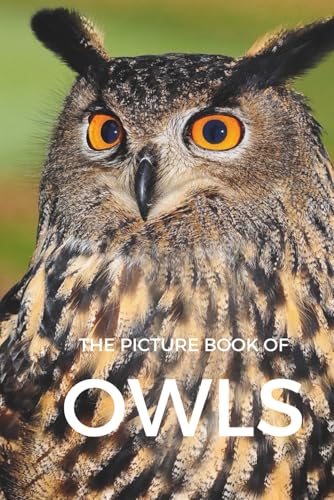
11. “Picture Book of Birds” for Seniors
Best for: Bird watchers, outdoor enthusiasts, colorful visual stimulation
Why it works: The vibrant colors and variety of birds provide excellent visual engagement. The images are dynamic—birds in flight, perched on branches, feeding—which helps maintain interest. For those who once enjoyed bird watching or feeding birds in their yards, this can resurrect pleasant memories and skills.
Key features: One bird per page, simple names in large print, high-quality action photography
Caregiver tip: Pair with bird watching from a window if possible, or audio recordings of birdsong for multi-sensory engagement.
Examples of books in this category: Include the following


12. “Familiar Objects” Memory Triggers Picture Books
Best for: Advanced dementia, simple recognition exercises, occupational therapy
Why it works: Features extremely simple, high-contrast photographs of everyday objects isolated on white backgrounds—a telephone, a cup, glasses, a brush. This simplicity works well for people in later stages of dementia who may be overwhelmed by complex scenes. The recognition of familiar objects can provide a sense of competence and connection.
Key features: Very large format, one object per page, extremely high contrast, optional simple labels
Caregiver tip: This is not about testing—it’s about the comfort of recognition. Celebrate any engagement, even if naming is not accurate.
Examples of books in this category: Include the following
13. “Beach and Ocean” Scenes Picture Books
Best for: Vacation memories, coastal residents, calming imagery
Why it works: Ocean scenes have universal appeal and proven calming effects. The repetitive patterns of waves, the soothing blues and greens, and the spaciousness of beach landscapes can reduce anxiety. For those who lived near coasts or vacationed at beaches, these images connect to happy memories of family trips and leisure time.
Key features: Full-page ocean and beach photography, variety of coastal scenes, no text distractions
Caregiver tip: Excellent for use during evening anxiety or restlessness. The predictable, peaceful imagery provides comfort.
Examples of books in this category: Include the following


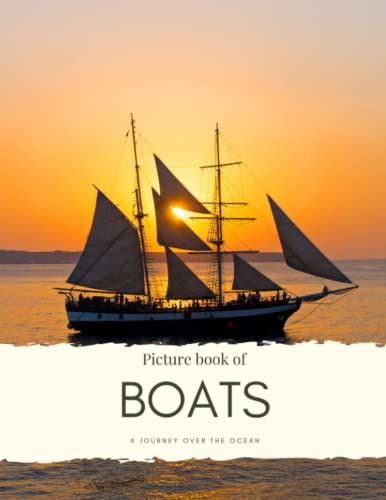
14. “Psalms and Scripture” Large Print Illustrated Picture Books
Best for: People with strong faith backgrounds, spiritual comfort, reducing anxiety, end-of-life care
Why it works: Scripture and psalms are often deeply embedded in long-term memory—memorized in childhood and recited throughout life. Even when recent memory fails, these sacred texts can be recalled word-for-word, providing profound continuity and identity. The combination of familiar, comforting words with peaceful imagery creates spiritual and emotional anchoring. Psalms address fears that accompany dementia, offering reassurance and hope. The rhythmic, poetic language soothes even when full comprehension is limited.
Key features: Extra-large print (20pt+), one psalm or scripture per page, peaceful nature photography, focus on comfort verses (Psalm 23, Psalm 91, John 14:27), non-denominational Christian presentation
Caregiver tip: Read aloud together slowly—hearing familiar scripture often prompts joining in or finishing verses. Use during anxiety or sundowning for immediate calming. Spending an entire session on a single beloved psalm like the 23rd is perfectly valid. If possible, match the translation they grew up with (King James vs. NIV). Valuable in hospice settings when other communication becomes difficult.
Examples of books in this category: Include the following
![Picture Book of Psalms: For Seniors with Dementia [Large Print Bible Verse Picture Books] (Religious Activities for Seniors with Dementia)](https://m.media-amazon.com/images/I/414DJg8JArL.jpg)

![Picture Book of Hymns: For Seniors with Dementia [Large Print Bible Verse Picture Books] (Religious Activities for Seniors with Dementia)](https://m.media-amazon.com/images/I/518tvG4W8fL.jpg)
![Picture Book of Gospels: For Seniors with Dementia [Large Print Bible Verse Picture Books] (Religious Activities for Seniors with Dementia)](https://m.media-amazon.com/images/I/51YdeF5j4ML.jpg)
15. “Grandchildren” Photo Album (Create Your Own)
Best for: Personal connection, family orientation, maintaining relationships
Why it works: While pre-made books are valuable, nothing beats a personalized photo album filled with pictures of your loved one’s own family members, pets, home, and life. A large-format photo album designed for seniors (this one has extra-large sleeves and heavy pages) allows you to create a completely customized picture book. Include names in large print beneath each photo.
Key features: Oversized album pages, slip-in sleeves (easy to change photos), durable construction, space for captions
Caregiver tip: Update photos seasonally. Include recent pictures even if they’re not recognized—the repetition helps. Add names and simple context: “Your daughter Sarah” or “Your dog Buddy.”
Examples of books in this category: Include the following

16. “Classic American Cuisine” Food Photography Book
Best for: Food lovers, conversation about cooking, sensory stimulation
Why it works: Food is deeply tied to memory and emotion. This book features appetizing photographs of classic American dishes—apple pie, pot roast, fried chicken, Sunday dinners. The images can trigger memories of family meals, favorite recipes, and cooking experiences. The visceral nature of food photography engages in a unique way.
Key features: Professional food photography, familiar dishes, organized by meal type, minimal descriptive text
Caregiver tip: Be mindful of timing—viewing this book before meals might increase appetite, but it could also frustrate if the person can’t have what they see.
Examples of books in this category: Include the following


17. “Music Through the Decades” Visual History
Best for: Music lovers, cultural engagement, multi-generational connection
Why it works: Features photographs of musicians, album covers, musical instruments, and concert scenes from the 1940s-1980s. Music is processed in parts of the brain that often remain intact longer in dementia. These visual cues can trigger song lyrics, memories of dancing, or concerts attended—often leading to spontaneous singing or humming.
Key features: Large photographs, organized chronologically, includes major artists and genres, cultural context provided
Caregiver tip: Pair this book with actually playing the music shown. The combination of visual and auditory stimulation creates powerful engagement.
Examples of books in this category: Include the following


Quick Reference: Choosing Books by Need
Use this quick guide to select books based on specific situations or needs:
For calming anxiety: A Walk in Nature, Beach and Ocean Scenes, Garden Flowers
For sparking conversation: Remember When Series, The Good Old Days, Vintage Cars
For advanced dementia: Familiar Objects, Puppies and Kittens, Beach and Ocean Scenes
For someone who seems uninterested: Vintage Cars (especially for men), Music Through the Decades, Classic American Cuisine
For bedtime/evening routine: A Walk in Nature, Beach and Ocean Scenes, Garden Flowers
For maintaining family connection: Grandchildren Photo Album (personalized), Babies and Children
For rural/farm background: Farm Life, Birds of North America, Garden Flowers
Final Tips for Success
- Start with one or two books: Don’t overwhelm with choices. Pick one book that matches your loved one’s interests and use it consistently for a week before introducing another.
- Quality over quantity: One 15-minute session with genuine engagement is worth more than an hour of distracted page-turning.
- Repetition is therapeutic: Looking at the same book daily or even multiple times a day is perfectly fine. Familiarity provides comfort.
- Follow their lead: If they want to skip pages, go back, or focus on one image for five minutes, let them. There’s no wrong way to use these books.
- Keep books accessible: Store books where your loved one can see and reach them. Some people will independently pick up and look at books when left in visible locations.
- Protect the books: Use hardcover versions when possible, and wipe pages gently if they get soiled. These books are tools, not heirlooms—some wear and tear is fine.
- Adjust to disease progression: As dementia advances, you may need to switch from complex books (Remember When) to simpler ones (Familiar Objects). This is normal and appropriate.
- Measure success by connection, not cognition: A smile, a moment of calm, a shared laugh, or simply sitting together in companionship—these are the real goals, not correct memory recall.
Conclusion
Picture books are not a cure for dementia, and they won’t restore lost abilities. But they can create windows of connection in a disease that too often isolates both the person with dementia and their caregivers.
The books recommended in this guide have been chosen because they work—they engage, they calm, they spark joy and memory. But the real magic isn’t in the books themselves; it’s in you sitting beside your loved one, sharing the experience, validating their responses, and being present.
Start simple. Pick one book. Sit together. Turn pages. See what happens.
You’ll likely be surprised by the connection you find in those quiet moments with pictures between you.
Affiliate Disclosure
This guide contains affiliate links to Amazon. When you purchase through these links, I earn a small commission at no additional cost to you. I only recommend products I believe will genuinely help based on their design and caregiver feedback. Your support through these links helps me continue creating free resources for dementia caregivers.
Medical Disclaimer: This guide is for informational purposes only and is not a substitute for professional medical advice. Always consult with healthcare providers for medical decisions regarding dementia care.