Transform Your Life: Curated Books for Personal Growth, Success, and Fulfilment
Self-improvement isn’t just about reading—it’s about transformation. The right book at the right time can fundamentally shift how you think, act, and live. Whether you’re looking to build better habits, advance your career, improve relationships, or find deeper meaning, the books in this guide have changed millions of lives.
This comprehensive guide cuts through the noise. Instead of generic “must-read” lists, you’ll find books organized by what you’re actually trying to achieve, with honest assessments of what works, what doesn’t, and who each book is really for.
Disclosure: This guide contains affiliate links to Amazon. If you purchase through these links, I may earn a small commission at no extra cost to you. I only recommend books I’ve personally read or that come highly recommended by trusted sources in the personal development community.
How to Use This Guide
Self-improvement books work best when matched to your current situation and goals. Here’s how to get the most from this guide:
- Start with one book: Reading multiple self-improvement books simultaneously dilutes impact. Choose one, commit to it, and actually implement the ideas before moving on.
- Match the book to your readiness: Some books require you to be in action mode, others are better for reflection. Be honest about where you are.
- Implementation over consumption: The goal isn’t to read 50 self-improvement books. It’s to deeply integrate the wisdom from 5-10 truly transformative ones.
- Revisit over time: Many classics reveal new insights when you return to them at different life stages. Keep your favorites for rereading.
The Essential Foundation: Habits & Mindset
These books form the bedrock of personal development. Start here if you’re new to self-improvement or need to rebuild your foundation.
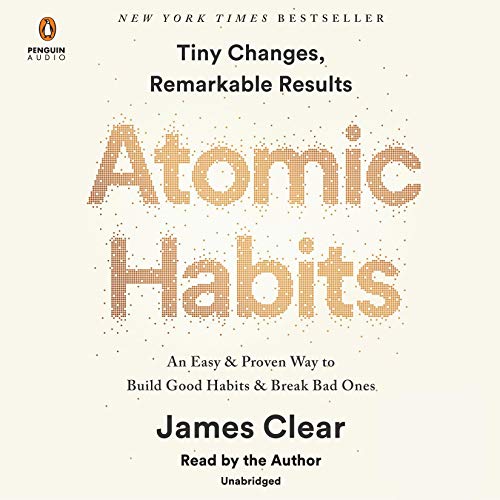
1. “Atomic Habits” by James Clear
Best for: Anyone wanting to build better habits, break bad ones, or understand how small changes compound over time
Why it works: Clear provides a practical, science-based framework for habit formation that actually works in real life. Unlike books that promise overnight transformation, this one shows you how tiny 1% improvements stack up. The four laws of behavior change (make it obvious, attractive, easy, and satisfying) are immediately applicable. You’ll learn why focusing on systems beats focusing on goals, and how to design your environment for automatic success.
Key takeaway: You don’t rise to the level of your goals, you fall to the level of your systems. Change your identity, and your habits will follow.
Who should read this: Literally everyone. This is the single best starting point for self-improvement. If you read only one book from this entire guide, make it this one.
Get the Book from Amazon:
2. “Mindset” by Carol Dweck
Best for: People struggling with fear of failure, perfectionism, or believing their abilities are fixed
Why it works: Dweck’s research-backed distinction between fixed and growth mindsets is genuinely life-changing. Understanding that abilities can be developed (not just inherited) removes psychological barriers to trying new things. The book shows how mindset affects relationships, parenting, business, and education. You’ll recognize your own fixed mindset triggers and learn to shift toward growth-oriented thinking.
Key takeaway: Believing your talents can be developed creates a passion for learning rather than a hunger for approval. Effort becomes the path to mastery.
Who should read this: Anyone who avoids challenges, gives up easily, or feels threatened by others’ success. Also invaluable for parents and educators.
Get the Book from Amazon:

3. “The 7 Habits of Highly Effective People” by Stephen Covey
Best for: Building a comprehensive personal effectiveness system, leadership development, values-based living
Why it works: This classic endures because it addresses character, not just personality. Covey’s principle-centered approach moves from independence (private victories) to interdependence (public victories). The habits build on each other: be proactive, begin with the end in mind, put first things first, think win-win, seek first to understand then to be understood, synergize, and sharpen the saw. Each habit reshapes how you approach work, relationships, and personal growth.
Key takeaway: True effectiveness comes from aligning your actions with timeless principles. Focus on what you can control (your circle of influence), not what you can’t (your circle of concern).
Who should read this: Leaders, managers, or anyone ready for a holistic framework. Be prepared—it’s dense and requires real commitment to implement.
Get the Book from Amazon:

Productivity & Time Management
For getting more done without burning out, focusing on what matters, and mastering your time.
4. “Deep Work” by Cal Newport
Best for: Knowledge workers, creatives, anyone struggling with distraction and shallow work
Why it works: Newport makes a compelling case that the ability to focus without distraction is becoming rare and therefore increasingly valuable. Deep work—cognitively demanding tasks done in a state of distraction-free concentration—produces better results in less time. The book provides specific strategies for scheduling deep work, reducing shallow obligations, and training your focus like a muscle. You’ll learn why busyness isn’t productivity and how to protect your attention in an attention economy.
Key takeaway: High-quality work = time spent × intensity of focus. Deep work is rare, valuable, and meaningful—and it’s the competitive advantage of the future.
Who should read this: Anyone in a cognitively demanding field who feels constantly fragmented. Not for people in roles requiring constant accessibility.
Get the Book from Amazon
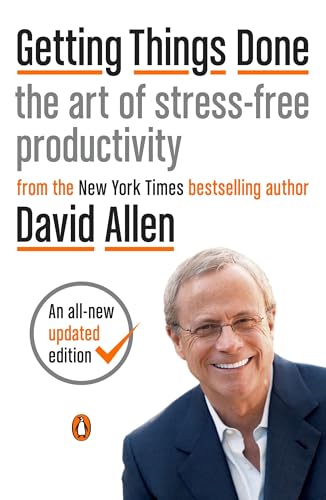
5. “Getting Things Done” by David Allen
Best for: People overwhelmed by tasks, commitments, and mental clutter
Why it works: The GTD system provides a complete workflow for capturing, clarifying, organizing, and reviewing everything you need to do. By getting commitments out of your head and into a trusted system, you free your mind for creativity and presence. The five steps (capture, clarify, organize, reflect, engage) become second nature with practice. This isn’t just task management—it’s a comprehensive approach to maintaining control and perspective.
Key takeaway: Your mind is for having ideas, not holding them. A complete, trusted system lets you be present and stress-free.
Who should read this: Anyone juggling multiple projects and commitments. Requires discipline to implement fully, but pays enormous dividends.
Get the Book on Amazon
6. “Essentialism” by Greg McKeown
Best for: Overcommitted people who need to learn to say no and focus on what truly matters
Why it works: McKeown challenges the myth that we can have it all and do it all. Essentialism is a disciplined pursuit of less but better. The framework helps you discern the vital few from the trivial many, eliminate non-essentials, and make execution effortless. You’ll learn to escape the trap of success leading to more commitments leading to diffused effort leading to failure. The book provides practical methods for gracefully declining requests and protecting your priorities.
Key takeaway: If you don’t prioritize your life, someone else will. Less but better isn’t about getting more done—it’s about getting the right things done.
Who should read this: People pleasers, chronic overcommitters, and anyone feeling stretched too thin across too many priorities.
Get the Book on Amazon

Psychology & Emotional Intelligence
Understanding yourself and others better, managing emotions, and improving relationships.
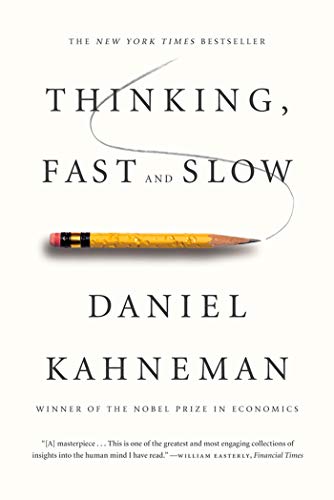
7. “Thinking, Fast and Slow” by Daniel Kahneman
Best for: Understanding how your mind works, making better decisions, avoiding cognitive biases
Why it works: Nobel laureate Kahneman reveals the two systems that drive thinking: System 1 (fast, intuitive, emotional) and System 2 (slow, deliberate, logical). Understanding how these systems interact—and where they fail—helps you recognize your own biases and make better choices. The research on loss aversion, anchoring, availability bias, and overconfidence explains why we make predictably irrational decisions. Dense but transformative.
Key takeaway: We’re far less rational than we believe. Recognizing cognitive biases doesn’t eliminate them, but it helps you set up better decision-making systems.
Who should read this: Anyone making important decisions—investors, leaders, strategists. Challenging read but worth the effort.
Amazon link: [Insert your affiliate link here]
8. “Emotional Intelligence 2.0” by Travis Bradberry & Jean Greaves
Best for: Improving self-awareness, managing reactions, and navigating social situations
Why it works: EQ often matters more than IQ for success and happiness. This book breaks emotional intelligence into four skills: self-awareness, self-management, social awareness, and relationship management. Each skill gets specific, actionable strategies you can practice immediately. The included assessment helps you identify your strengths and gaps. Unlike more theoretical books, this one gives you a practical roadmap for development.
Key takeaway: Emotional intelligence is a flexible set of skills that can be acquired and improved with practice. Small improvements yield big results in leadership and relationships.
Who should read this: Leaders, managers, anyone in people-focused roles, or those who struggle with emotional regulation.
Get the Book from Amazon link

9. “Man’s Search for Meaning” by Viktor Frankl
Best for: Finding purpose during suffering, existential questions, perspective on life’s challenges
Why it works: Frankl’s account of surviving Nazi concentration camps and his development of logotherapy (meaning-centered therapy) is profoundly moving and practical. The central insight—that we can’t always control our circumstances but can always choose our response—has helped millions find meaning in suffering. If Frankl could find purpose in the camps, we can find it in our comparatively minor difficulties. The book reframes adversity as an opportunity to demonstrate what we’re made of.
Key takeaway: Those who have a ‘why’ to live can bear almost any ‘how.’ Meaning comes from creating, experiencing, and choosing our attitude toward unavoidable suffering.
Who should read this: Anyone facing adversity, loss, or searching for deeper meaning. Short, powerful, and timeless.
Amazon link: [Insert your affiliate link here]

Money & Success
Building wealth, achieving financial independence, and redefining success on your terms.
10. “The Psychology of Money” by Morgan Housel
Best for: Understanding your relationship with money, building wealth, financial decision-making
Why it works: Housel argues that doing well with money isn’t about what you know—it’s about how you behave. Through engaging stories, he reveals how luck, risk, ego, and incentives shape financial outcomes. You’ll learn why reasonable beats rational, why time is your greatest asset, and why there’s no greater wealth than controlling your time. The book strips away financial jargon and gets to timeless truths about money and happiness.
Key takeaway: Financial success is more about behavior than intelligence. Enough is realizing that the goalpost doesn’t need to keep moving.
Who should read this: Everyone. Whether you’re just starting out or wealthy, this reshapes how you think about money and what it’s for.
Get the Book on Amazon

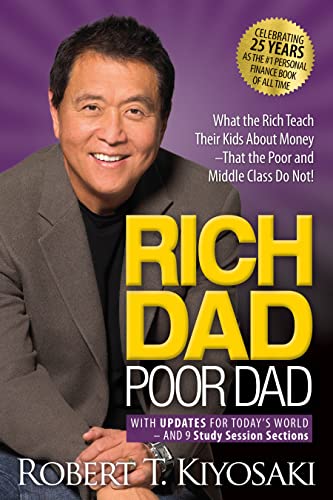
11. “Rich Dad Poor Dad” by Robert Kiyosaki
Best for: Shifting from employee mindset to investor mindset, understanding assets vs. liabilities
Why it works: Kiyosaki’s contrast between his “rich dad” (friend’s father, entrepreneur) and “poor dad” (his own father, employee) illuminates different financial philosophies. The core lessons—focus on acquiring income-producing assets, understand the difference between working for money and having money work for you, and think like an investor—have launched thousands of people into financial education and entrepreneurship. The book is controversial in some circles but undeniably influential.
Key takeaway: The wealthy buy assets; the poor buy expenses; the middle class buys liabilities thinking they’re assets. Financial education matters more than formal education for wealth building.
Who should read this: Anyone stuck in the “rat race” or wanting to understand entrepreneurial thinking. Take the principles, not necessarily every specific recommendation.
Get the Book on Amazon
12. “The 4-Hour Workweek” by Tim Ferriss
Best for: Lifestyle design, escaping the 9-to-5, building automated income
Why it works: Ferriss challenges conventional retirement planning by advocating for “mini-retirements” throughout life. The DEAL framework (Definition, Elimination, Automation, Liberation) provides a roadmap for designing your ideal lifestyle now rather than waiting decades. You’ll learn to eliminate busywork, automate income, negotiate remote work, and live anywhere. While not everyone will achieve a 4-hour workweek, the principles about effectiveness, outsourcing, and challenging assumptions are valuable.
Key takeaway: Retirement is a hedge for when you’re too old to do what you want. The new rich (NR) create luxury through time and mobility, not just money.
Who should read this: Entrepreneurs, location-independent workers, or anyone questioning conventional career paths. Best for those ready to take action, not just dream.
Communication & Relationships
Improving how you connect, influence, and build meaningful relationships.
13. “How to Win Friends and Influence People” by Dale Carnegie
Best for: Social skills, networking, leadership, sales, any people-focused role
Why it works: Published in 1936, this remains the definitive guide to human relations. Carnegie’s principles—become genuinely interested in others, smile, remember names, be a good listener, talk about others’ interests, make people feel important—sound simple but profoundly change how you interact. The book is filled with stories showing these principles in action. What makes the book endure is that human nature hasn’t changed; we still want to feel appreciated and understood.
Key takeaway: You can make more friends in two months by being interested in others than in two years trying to get others interested in you. Winning arguments loses relationships.
Who should read this: Anyone who interacts with humans. Seriously—everyone benefits from this. Ignore the dated examples; the principles are eternal.
14. “Nonviolent Communication” by Marshall Rosenberg
Best for: Resolving conflicts, expressing needs without blame, compassionate listening
Why it works: Rosenberg’s NVC framework transforms how you communicate in difficult situations. The four components—observations (not judgments), feelings, needs, and requests—help you express what matters without criticism or demands. You learn to hear the needs behind others’ words, even when delivered with hostility. This isn’t about being “nice”—it’s about being authentic and connected. Especially valuable for intimate relationships, parenting, and workplace conflicts.
Key takeaway: All human actions are attempts to meet needs. Understanding and articulating needs (yours and others’) transforms conflicts into opportunities for connection.
Who should read this: Anyone in high-conflict relationships, parents, mediators, or people who tend toward passive-aggressive or aggressive communication patterns.
15. “The Five Love Languages” by Gary Chapman
Best for: Improving romantic relationships, understanding how you and your partner express and receive love
Why it works: Chapman identifies five ways people express and feel love: words of affirmation, quality time, gifts, acts of service, and physical touch. The insight that your primary love language might differ from your partner’s explains why well-intentioned efforts don’t land. Learning to speak your partner’s language—even if it’s not natural to you—dramatically improves connection. Simple framework with profound relationship impact.
Key takeaway: Love is a choice and requires effort, especially in speaking a language that doesn’t come naturally. Understanding love languages prevents misinterpretation and resentment.
Who should read this: Anyone in a committed relationship or marriage. Best read together with your partner for maximum benefit.
Quick Reference: Choose Your Book by Goal
Use this guide to find the right book for your current priority:
Want to build better habits: Atomic Habits, The 7 Habits of Highly Effective People
Struggling with focus and distraction: Deep Work, Essentialism, Getting Things Done
Need to improve relationships: How to Win Friends and Influence People, Nonviolent Communication, The Five Love Languages
Want to understand yourself better: Thinking Fast and Slow, Mindset, Emotional Intelligence 2.0
Building wealth or financial independence: The Psychology of Money, Rich Dad Poor Dad, The 4-Hour Workweek
Facing adversity or searching for meaning: Man’s Search for Meaning
Developing leadership skills: The 7 Habits of Highly Effective People, Emotional Intelligence 2.0
Complete beginner to self-improvement: Start with Atomic Habits, then Mindset
Making Self-Improvement Books Actually Work
Reading alone doesn’t create change. Here’s how to maximize the impact of any book you choose:
- Read actively: Take notes, highlight, write in margins. Engage with the material rather than passively consuming.
- Identify 1-3 key actions: Each book contains dozens of ideas. Choose the most impactful few and commit to implementing them before moving on.
- Schedule implementation time: Block calendar time to practice what you learned. Knowledge without application is just entertainment.
- Discuss with others: Join a book club, discuss with friends, or teach the concepts to someone else. This deepens understanding and accountability.
- Revisit periodically: Review your notes monthly. Great books reveal new insights at different life stages—plan to reread your favorites.
- Be patient: Real transformation takes time. Focus on small, consistent improvements rather than overnight change.
Final Thoughts
The best self-improvement book is the one you actually read, implement, and return to. These 15 books have transformed millions of lives not because they contain secret knowledge, but because they present timeless wisdom in accessible, actionable ways.
Start with one book that addresses your most pressing challenge. Read it thoroughly, implement its core lessons, and only then move to the next. This approach—deep over broad—creates lasting change.
Remember: reading these books won’t change your life. Applying what they teach will.
Choose one. Start today. Your future self will thank you.
Affiliate Disclosure
This guide contains affiliate links to Amazon. When you purchase through these links, I earn a small commission at no additional cost to you. I only recommend books I’ve personally read or that come highly recommended by trusted sources in the personal development community. Your support through these links helps me continue creating free, comprehensive resources.